
How Museums Are Becoming More Kid-Friendly Across the World

Museums have long been considered quiet, adult-centered spaces—places where children had to whisper, stand back, and “look but don’t touch.” But that’s changing fast. Today, museums around the world are reinventing themselves to become more kid-friendly, interactive, and inclusive.
This shift isn’t just about attracting younger visitors—it’s about acknowledging that children are curious thinkers, powerful learners, and future creators. From play-based exhibits to hands-on art zones, kid-friendly museums are becoming hubs of imagination and expression.
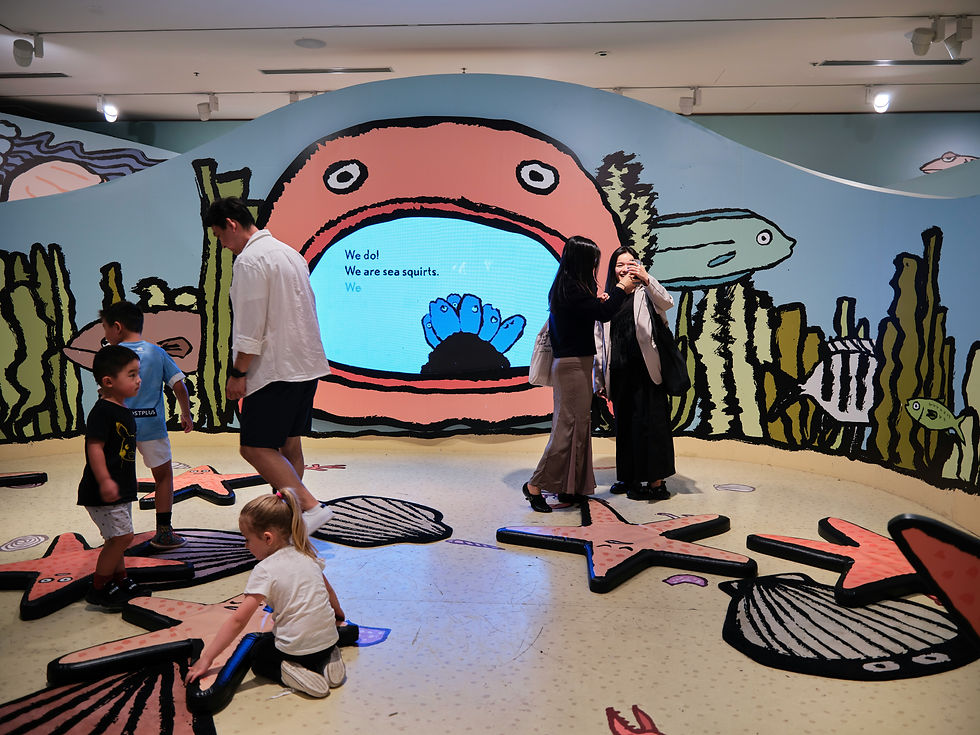
1. Interactive Exhibits That Let Kids Learn by Doing
Forget "Do Not Touch" signs. Modern museums are inviting children to engage all their senses. For example, at the Children’s Museum of Indianapolis, kids can climb inside a giant dinosaur skeleton, explore ancient cultures, or experiment with science in real time. Similarly, the Science Museum in London features hands-on exhibits where kids explore everything from space travel to digital technology.
These interactive displays encourage exploration, experimentation, and active learning—far more impactful than just reading a plaque.
2. Spaces Designed Just for Kids
Museums are increasingly dedicating specific galleries or entire floors to young visitors. The Musée en Herbe in Paris curates contemporary and classic art specifically for kids aged 3 and up, with storytelling-based tours and colorful, touchable exhibits.
Even world-renowned institutions like the Louvre and the Metropolitan Museum of Art now offer children’s guides, activity trails, and workshops tailored for different age groups. These child-centric approaches make fine art feel more accessible—and even fun.
3. Inclusion and Accessibility for All Kids
True kid-friendly museums go beyond fun—they also aim to be inclusive. Institutions like the Smithsonian's National Museum of African American History and Culture offer quiet mornings for neurodiverse children, sensory bags for those with sensitivities, and exhibits that reflect a wider range of stories and cultures.
The goal? To ensure every child feels seen, safe, and welcome.
4. Art Spaces That Encourage Kids to Create
Many museums are adding art-making studios and open creative zones where kids can paint, build, or design after viewing exhibits. These spaces help children translate what they’ve seen into their own work—turning them from observers into creators.
The Tate Modern’s Tate Kids program and Japan’s teamLab Borderless digital museum encourage immersive art exploration through color, motion, and interactive digital installations that react to children’s presence.
5. Global Programs That Connect Kids Across Borders
Some museums are extending their reach through virtual programming, allowing children around the world to connect through art. From international drawing contests to online museum tours, kids now share ideas and collaborate globally—bringing fresh energy to cultural spaces.
At CAMI International, Kids Come First
At the Children’s Art Museum International, we believe every child deserves to experience the joy of museums—not just as visitors, but as featured artists, creators, and changemakers.
Our mission is to build a global platform where young voices matter. Through online galleries, art challenges, CAMI empowers children to see themselves not just in museums—but as part of museum culture.
As more institutions embrace child-centric design, we’re proud to lead the way in showing that art belongs to children as much as it belongs to adults.
Submit your kid's artwork today at www.childrensartmuseum.com and get them featured on our global gallery and social media.


Comments